


A Little Friend
Photo by Amy LV

Students - Isn't this snail I found this week so cute? Earlier in the week, I was making concord grape juice (easiest recipe ever, see HERE), and as I washed the grapes, we met. I did exactly what the poem says the speaker did: I brought the snail outside, set her (him?) in the weeds by the shed, and said goodbye. Then, I kept thinking about the experience.
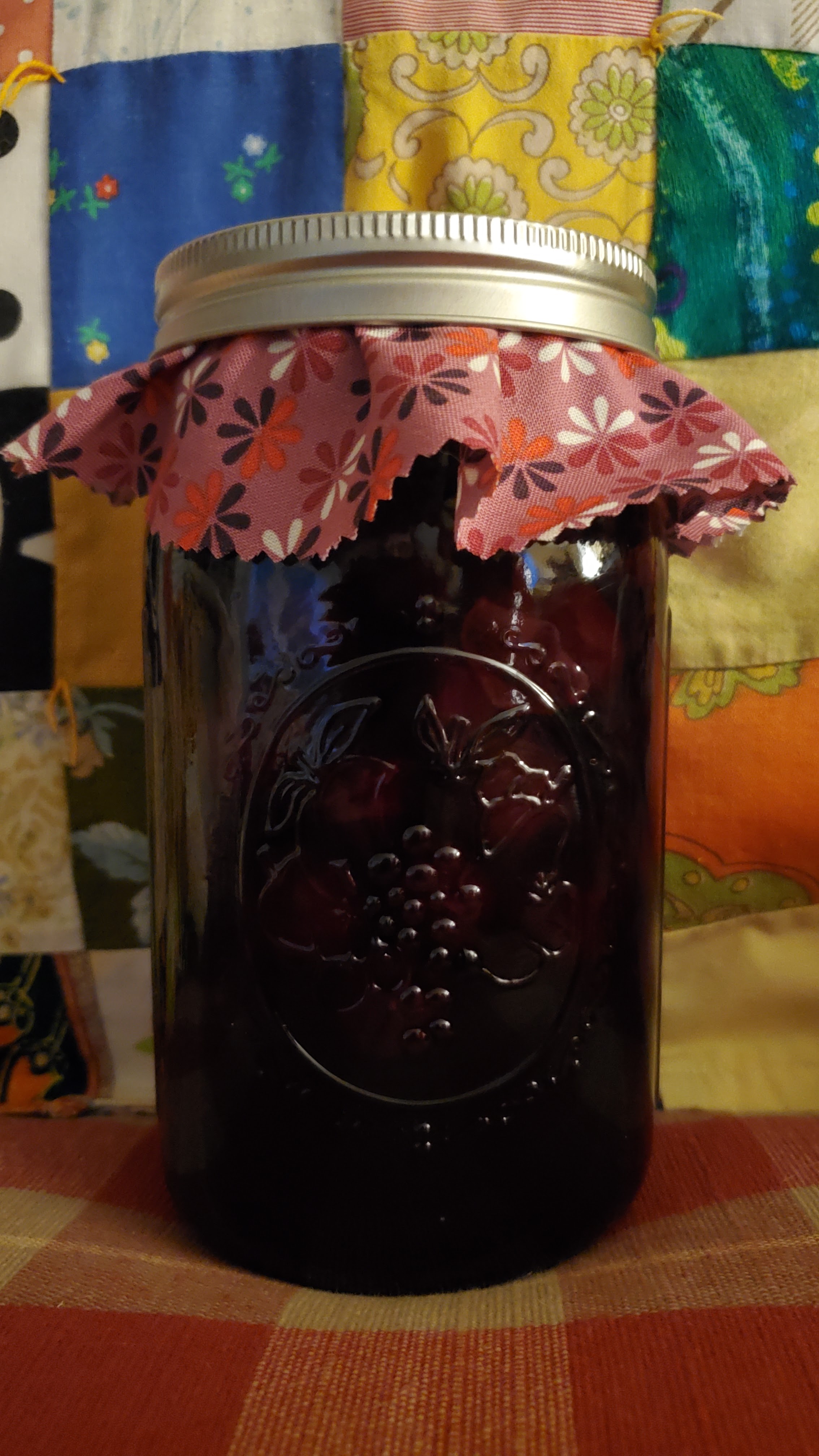
This Week's Concord Grape Juice
Photo by Amy LV
One thing about writing is that when you do so regularly, you see your life in new ways. When something interesting happens to you, you think, "Oh! I might write about that!" You might not aways write about it at that moment, but it's like you put a bookmark in your mind, remembering that you have an idea to write about later.
Later, I went to my trusty Ron Padgett book, THE TEACHERS & WRITERS HANDBOOK OF POETIC FORMS, and once again I fell in love with sonnets. Some of you may know that I have shared many sonnets here.

An Old Favorite
Photo by Amy LV
There are different kinds of sonnets. Often sonnets are written in iambic pentameter, which is a meter that sounds like DaDUM DaDUM DaDUM DaDUM DaDUM (10 syllables, accents on every other syllable). A Shakespearean sonnet rhymes like this:
a
b
a
b
c
d
c
d
e
f
e
f
g
g
Each letter above stands for one line (14 lines), and each letter stands for one rhyme. So, line 1 (a) rhymes with line 3 (a), line 2 (b) lines with line 4 (b), line 5 (c) rhymes with line 7 (c), line 6 (d) rhymes with line 8 (d), line 9 (e) rhymes with line 11 (e), line 10 (f) rhymes with line 12 (f), and line 13 and 14 rhyme with each other (g). Go ahead and check my poem above!
You should notice that two lines of my poem break the traditional sonnet pattern - lines 9 and 11 (e) do not rhyme, and this is aok. Poets get to decide these things about their own poems. Feel free to play with a form and then when it does not work for you...free yourself from it!

Drafting
Photo by Amy LV
One thing I most like about sonnets is how the last two lines often give the meaning, or the big thought. And I do wonder...how can something as tiny as the snail I met feel at the same time so big and magestic and important?
This week, consider paying attention to the small things that cross your path. These may be living creatures or they may be small objects or they may be a mix of both. What do you wonder about them? What does what you notice mean? What meaning might you make?
Laura is hosting today's Poetry Friday roundup at Small Reads for Brighter Days with her poems in response to the Poetry Princesses Challenge. Please know that all are welcome each Friday as folks share poems, poem books, poetry ideas, and friendship.
xo,
Amy
Please share a comment below if you wish.

